I’ll be presenting three new webinars in early 2025, starting with “Access Denied: Avoiding & Defending the Expanding Field of ADA Claims” for MyLawCLE on January 17, 2025. My co-presenter will be my colleague William Goren, whose blog http://www.understandingtheada.com is well worth reading.
On February 10, 2025 I’ll be presenting “Understanding Accessibility Requirements under the FHA and ADA” for Lawline, and then on February 17, 2025 a discussion of the law of website accessibility for the WordPress Accessibility meetup sponsored by Equalize Digital.
If you are interested in sponsoring a webinar like these, either for an audience of attorneys or an audience of interested business people please contact me using the contact information at the right.
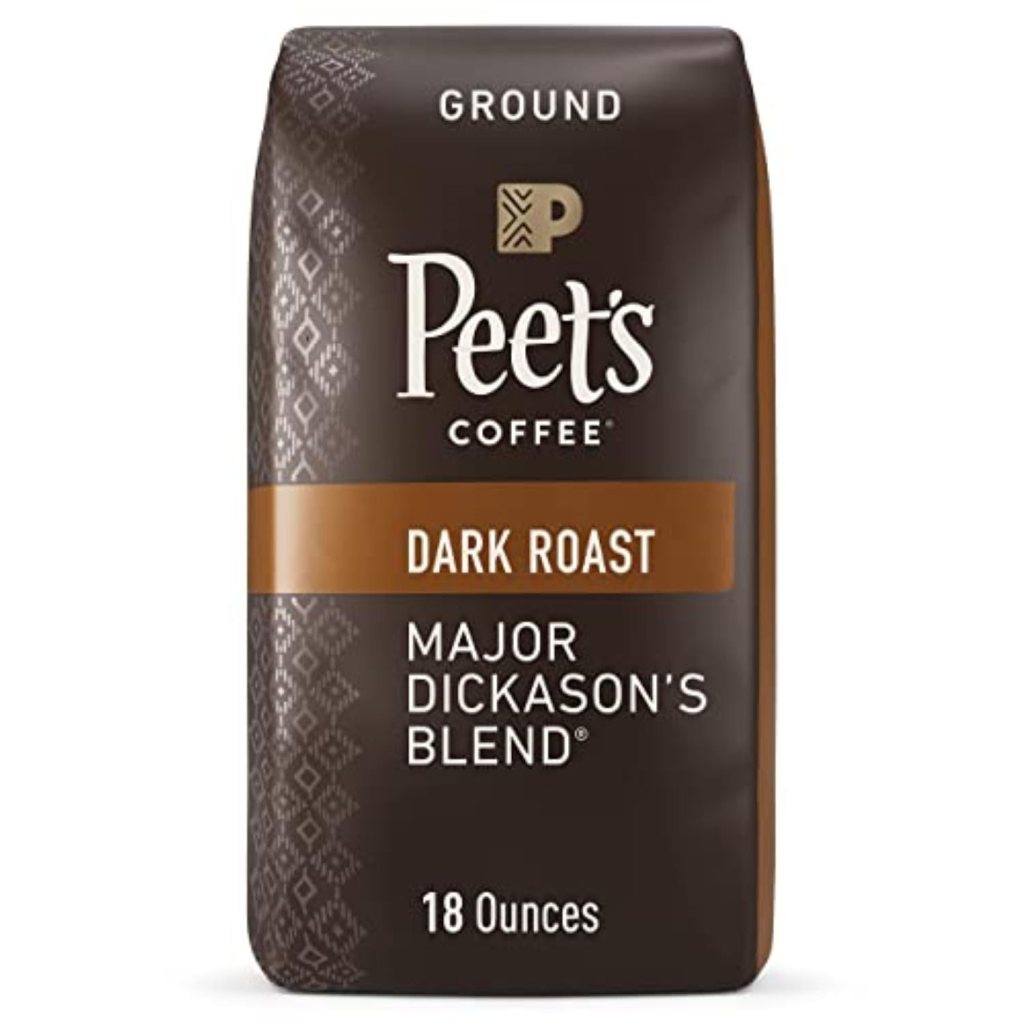
On November 5, 2024 Judge Jon S. Tigar dismissed the claims in Munoz v Peet’s Coffee, Inc., Case No. 24-cv-01764 in the Northern District of California. I’ve blogged about these cases recently¹ so I won’t go into detail. As might be expected, the plaintiff lost. The reasons were simple. The plaintiff’s first claim was the addition cost of milk substitutes was an illegal surcharge imposed on those with disabilities. This is one form of disability discrimination forbidden by the ADA. The problem was simply that the surcharge applies to everyone, not just to those with disabilities. When a surcharge applies to everyone it is not discriminatory.
The plaintiff’s second claim was that Peet’s Coffee should modify its pricing policy to meet the needs of those with disabilities. Such reasonable modifications are required by the ADA. Here the problem was that only one of the plaintiffs requested a modification, and a request is required before a business like Peet’s must grant an accommodation. Equally important, the Court also found that the modification was not necessary for those with disabilities to enjoy a “like experience” to those without disabilities. Those with disabilities got exactly the same treatment as anyone else wanting a milk alternative; that is, they were charged a little bit extra.
The Court also disposed of various state law claims, all of which might best be characterized as grasping at straws.
The dismissal of Munoz v Peet’s Coffee, Inc. probably won’t put an end to litigation of this kind because the plaintiff’s ADA bar is remarkably persistent, but it is hard to see how this kind of litigation will ever serve any useful purpose for those with disabilities.
On November 5, 2024 beginning at 1:00 p.m. Eastern Time I’ll be presenting a 90 minute webinar on Accessibility Law for Real Estate Lawyers to the ABA Section of Real Property, Trust and Estate Law. I’ll survey the accessibility laws that most often apply to real estate buyers, sellers, developers, owners, operators, landlords, tenants and lenders, focusing on the Americans with Disabilities Act and the Fair Housing Act. The webinar is intended for lawyers but anyone involved at an executive level in real estate transactions will find the information useful.
You can register for this program following this link:
If you would like more information about the webinars and seminars concerning accessibility law please feel free to email me using the contact information at the right
Press releases from HUD and DOJ in the last week or so contain plenty of lessons for the owners of businesses subject to the ADA and FHA. I can’t say whether these new claims by the government will pan out, but the nature of the claims made provides some insight in how to get into trouble or, more important, stay out of trouble when dealing with these agencies. (more…)
Employers and others covered by the ADA, FHA and other laws prohibiting disability discrimination often want to know whether this or that medical condition is a disability. A pair of decisions from the Sixth Circuit, both decided in the last month, explain why there may not be an unequivocal answer. (more…)